
Prevent Costly Repairs, Save Energy, and Stay Safe
Practical Steps from Portland’s D Bar Garage Doors
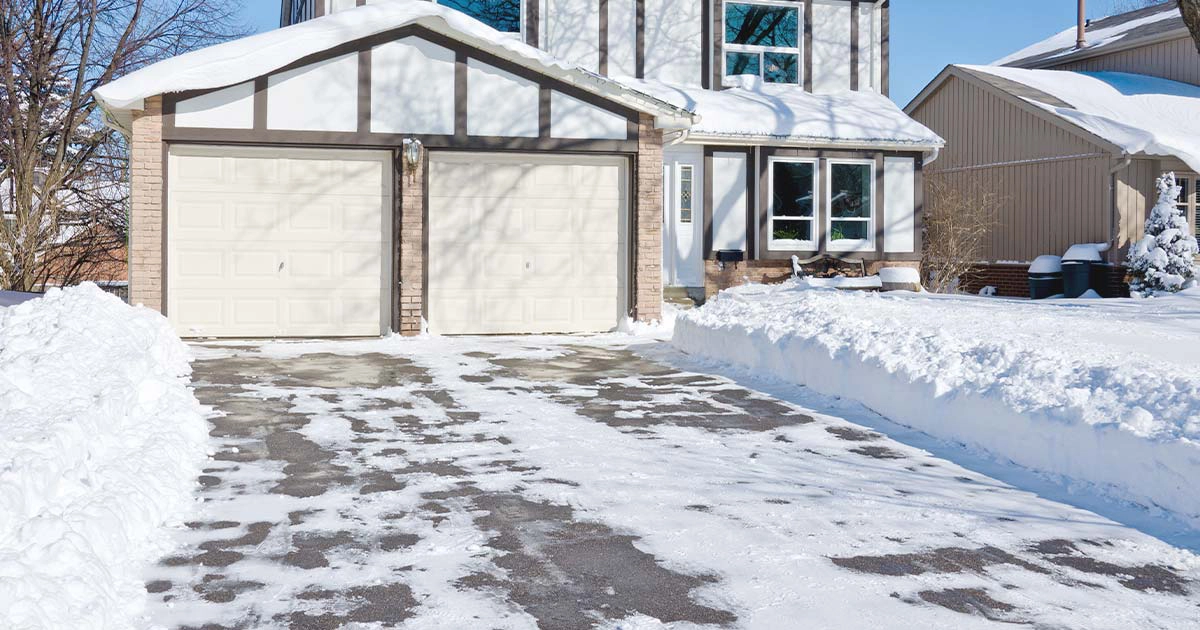
Oregon winters bring persistent rain, frequent cold snaps, and the occasional ice storm. Those conditions are tough on garage doors—especially attached garages where even small air leaks can increase heating costs and create uncomfortable drafts. Winterizing your garage door is a quick, high‑impact way to protect moving parts, improve energy efficiency, and keep your family safe. Below, our technicians outline what to check, what to DIY, and when to call a professional.
Why Winterizing Matters in the Pacific Northwest
A modern garage door system relies on a chain of components—panels, rollers, hinges, tracks, springs, cables, and the opener. Cold weather causes metal to contract and lubricants to thicken, which can stress springs and rollers and lead to noisy, jerky movement. Persistent moisture accelerates rust on unprotected hardware. Meanwhile, poorly sealed door perimeters allow warm air to escape. According to the U.S. Department of Energy, proper air sealing and weatherstripping reduce heat loss and can pay back quickly in lower utility bills.
Helpful resources: Energy Saver: Weatherstripping and Energy Saver: Insulation Basics
Step 1: Inspect and Refresh Weatherstripping & Bottom Seal
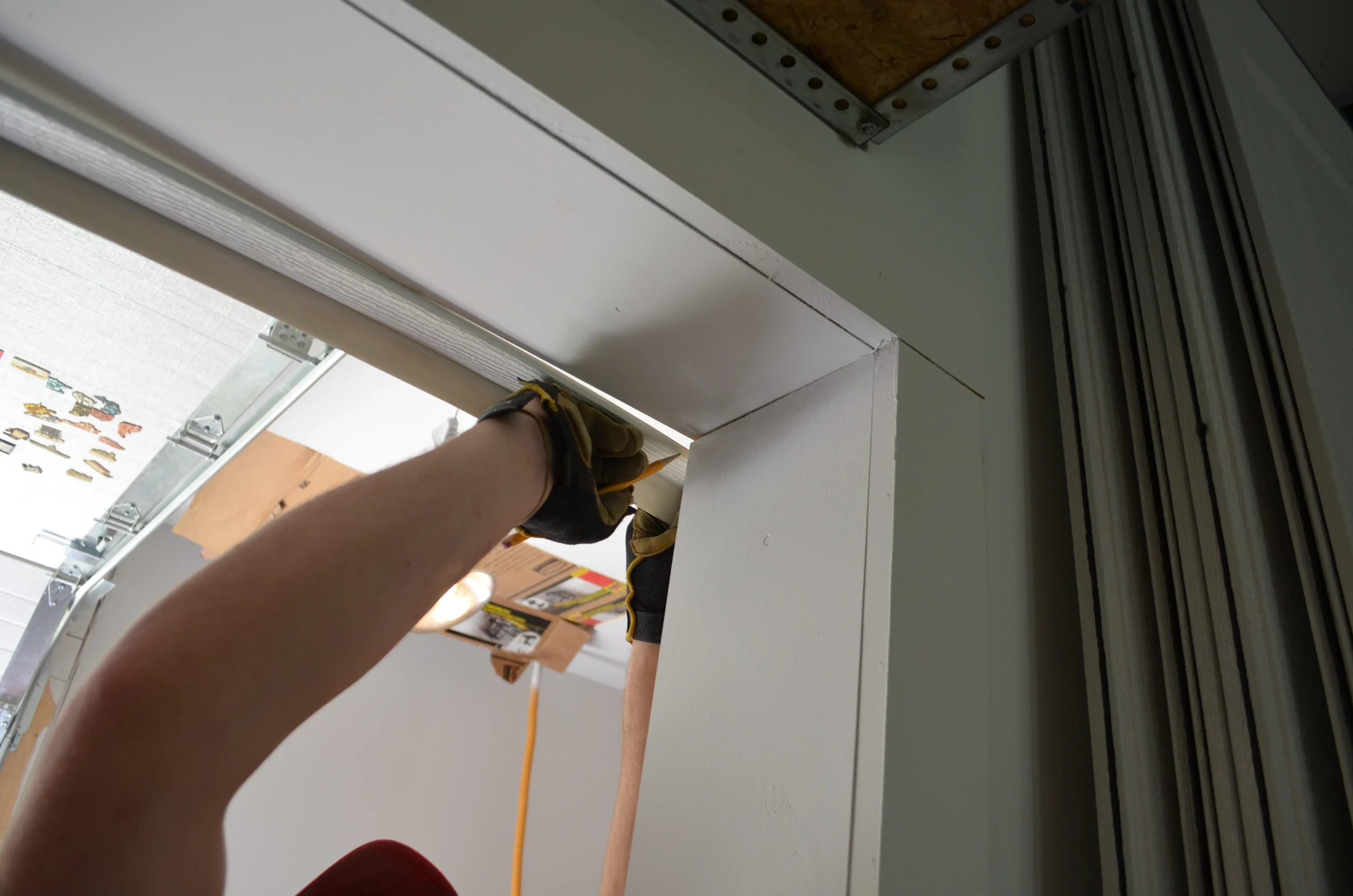
Look for daylight around the sides, top, or bottom of the door. Cracked vinyl, flattened rubber, or gaps signal it’s time to replace the perimeter seal and the bottom astragal. New weatherstripping should seal tightly when the door is closed but allow the door to open freely. If you also have living space above or beside an unheated garage, consider air‑sealing and insulating the shared walls and floor for comfort and safety.
Learn more: Air‑seal floors over unconditioned garages and Where to insulate in a home
Step 2: Lubricate Moving Parts (But Skip Heavy Oils)
Cold increases friction. Apply a garage‑door‑safe lubricant lightly to metal rollers, hinges, and bearings. Avoid heavy, dirt‑attracting sprays that can gum up in winter. If your rollers are cracked or the door drags in the tracks, schedule service before the weather worsens.
Need help? Book a repair or tune‑up with D Bar
Step 3: Test Your Safety Reversal & Photo‑Eyes
Every automatic opener should reverse when it encounters an obstruction and should include photo‑eye sensors 4–6 inches off the floor. Test monthly: block the sensor beam to confirm the door won’t close, and verify the door reverses promptly on contact. If it fails any test, stop using the door and call a professional—non‑reversing openers are a serious hazard.
Standards and guidance: CPSC: Non‑reversing openers are a hazard | Federal Register: Operator safety standard
Step 4: Improve Lighting & Controls for Dark, Wet Evenings
Short days make it harder to see hazards near the garage. Consider LED fixtures with motion sensors and photosensors so lights are on when you need them and off when you don’t. For pathways, solar‑powered lights are simple, low‑maintenance additions that improve safety without running new wires.
See: Energy Saver: Lighting controls (motion/photosensors) and Energy Saver: Outdoor lighting tips
Step 5: Schedule a Professional Winter Tune‑Up
DIY inspections are great, but springs and cables are under extreme tension—leave those to trained technicians. A winter tune‑up includes balancing the door, checking spring tension, tightening hardware, inspecting cables, aligning tracks, and testing the opener and safety devices. Catching small issues now prevents mid‑storm breakdowns and extends the life of your system.
Thinking about an upgrade? Explore insulated and carriage‑style doors with D Bar
Quick Winterization Checklist
- Replace worn weatherstripping and bottom seal.
• Lubricate rollers, hinges, and bearings (light coat).
• Test photo‑eyes and auto‑reverse; if it fails, call a pro.
• Add LED fixtures with motion/photosensors for safety and savings.
• Book a winter tune‑up for balance, cables, springs, and tracks.
D Bar Garage Doors serves the Portland metro and Vancouver areas with same‑day service when possible and careful, clean installations. We’ll help you choose practical fixes now—and, if needed, plan for a smart replacement later.
Get Your Free Pre‑Winter Estimate: (503) 553‑9933 | Contact D Bar Online
