Malfunctioning Garage Door: Your Sensor Could Be the Problem
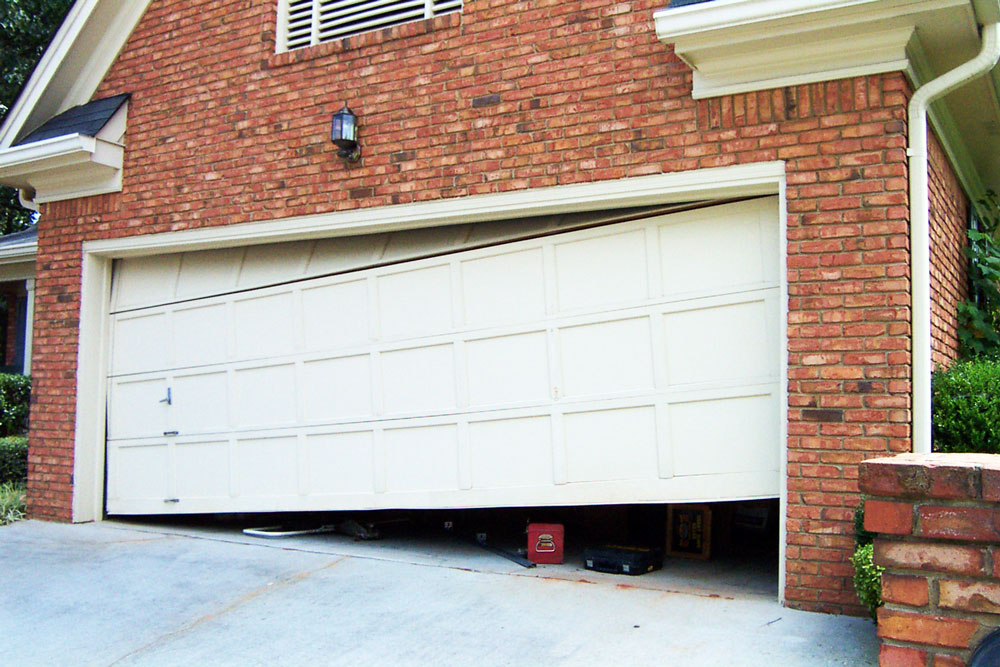
If your garage door isn’t responding properly to your remote, the sensor is most likely the culprit. A malfunctioning sensor can make garage doors extremely difficult and tedious to operate. To help you combat this issue, we’ve compiled a few problems that could be affecting your garage door sensor’s function.
Blocked sensor path. Some sensors will work even if a large object or objects are blocking the path of the remote, but some are more finicky. Make sure that you don’t have any big boxes or other structures blocking the pathway from your remote to your sensor. Your sensor could also be affected if any objects rest too close to the garage door, causing the sensor to think that there is an obstruction in the door’s path and therefore messing with its function.
Disconnect from power supply. Lack of power supply is a typical cause of sensor malfunction. Check your sensor for small LED lights—if none are lit up, your sensor is experiencing a power supply problem.
Dirty, scratched, or otherwise damaged lenses. This applies particularly if your sensor is older or located in a spot where it could be susceptible to surface damage. Excessive moisture, typically from rain or a nearby sprinkler system, could also affect not only the visibility of the lens but the sensor’s machinery itself. If your sensor’s lens has been scratched, accumulated any amount of grime, or been exposed to excessive moisture, it could significantly affect the sensor’s functionality.
Most of the common causes of garage door sensor malfunction are easily fixable without having to replace anything. Here are some tips to troubleshoot these problems, or even prevent problems from arising in the future:
- Remove any impeding objects from the area. Make sure that there’s no chance those heavy boxes are the reason your sensor is malfunctioning.
- Practice basic upkeep. Clean your sensor lens regularly to prevent the buildup of grime. Also, make sure your lens is located underneath some sort of overhang (if possible) and away from the dangers of excess moisture or scratching.
- Check the alignment. If you have more than one sensor for the same garage door, make sure that they are aligned with each other. Check your sensor manual to learn what exactly the LED lights in your sensors are telling you.
Ignoring a malfunctioning garage door can be dangerous for any cars entering and exiting your garage as well as anyone using the garage door on foot. We hope that learning more about malfunctioning sensors can help keep you, your family, and your belongings safe.