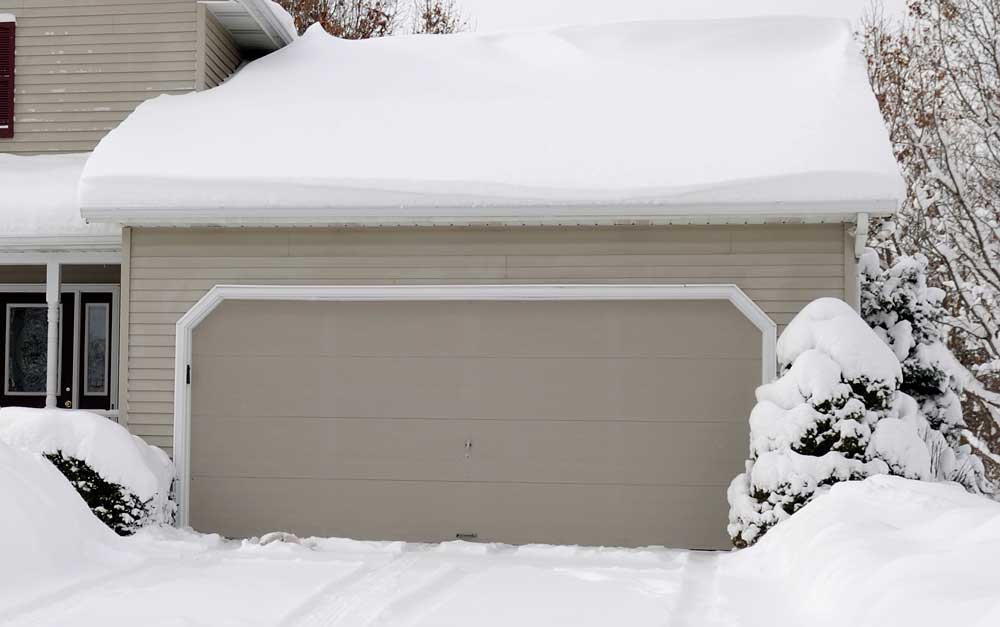
Have you noticed an air leak around your garage door that could lead to higher electric bills? Then you need to consider insulating the door to prevent outside air from leaking into your home. By adding insulation to your garage door, you can decrease the temperature by 20 degrees in the summer and keep it 12 degrees warmer in the winter.
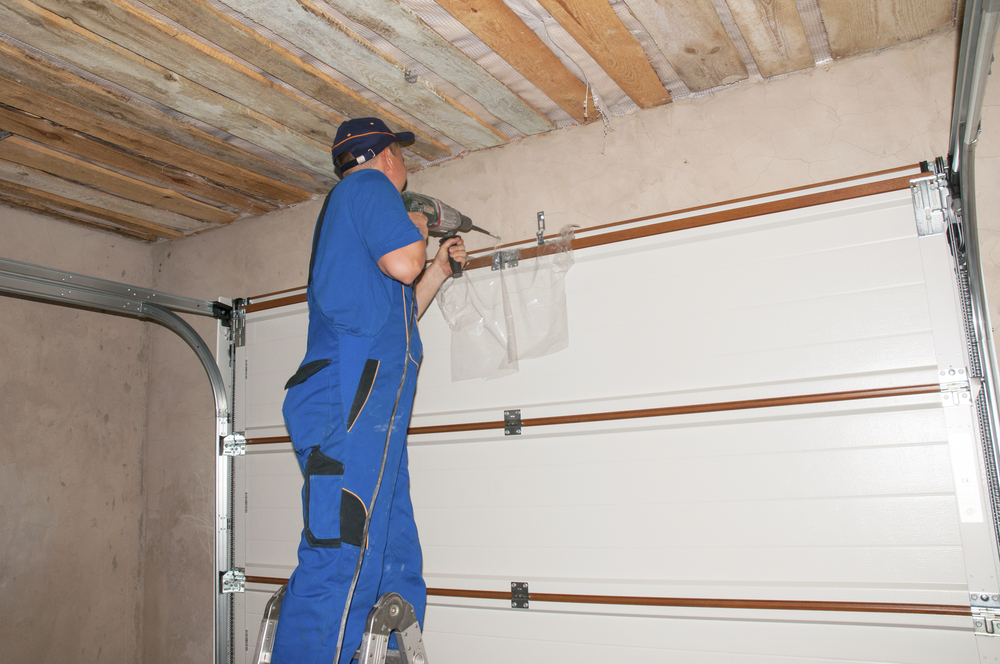
In most cases, there are three options for insulating a garage door. The insulation you choose is based on the type of door you have. By the end of this article, you’ll better understand which type of insulation is the best option for your garage door.
Benefits of Insulating Your Garage
Besides preventing air leaks, there are other beneficial reasons to insulate your garage. Those benefits include:
- Creating a comfortable atmosphere for working in the garage any time of year
- Greater dent resistance
- Preventing outside noise from entering the home
Insulating the walls of your garage adds another layer of safety and makes your home more energy-efficient.
Types of Garage Door Insulation
There are a few different materials that can provide insulation for your garage. The best one for your project will depend on your specific needs, your garage’s features, and your budget.
Radiant Barrier
A radiant barrier is made from reflective textiles that reflect radiant heat. There are two layers of material, such as aluminum, with air space in between. The layer of air may include bubble wrap, or something similar, so warm air doesn’t transfer outside the garage.
Fiberglass
Fiberglass is recognizable to many homeowners by insulating their homes. People are comfortable using it in their living spaces because it’s a readily available option. Fiberglass is a proven material that provides climate control in your garage when the summer temperatures increase.
Cellulose
Cellulose is an environmentally friendly option. It’s made from organic material that can be recycled. Therefore, turned into paper-based products. Modern cellulose is treated with a fire-resistant substance and sprayed onto a garage door like spray foam.
Foam
Many garage door manufacturers insulate their garage doors using foam insulation because it has outstanding insulating capabilities and it’s lightweight. It is available in two forms: spray and rigid foam. Spray foam is more affordable and easier to apply than many of the options on this list.
Get Help from the Pros
Regardless of the type of insulation you choose, D Bar Garage doors can help ensure your insulation is applied correctly to perform at its best. Leave it to the pros, and contact us to get your project started!